for the daughters and families of absent mothers in London

for the daughters and families of absent mothers in London
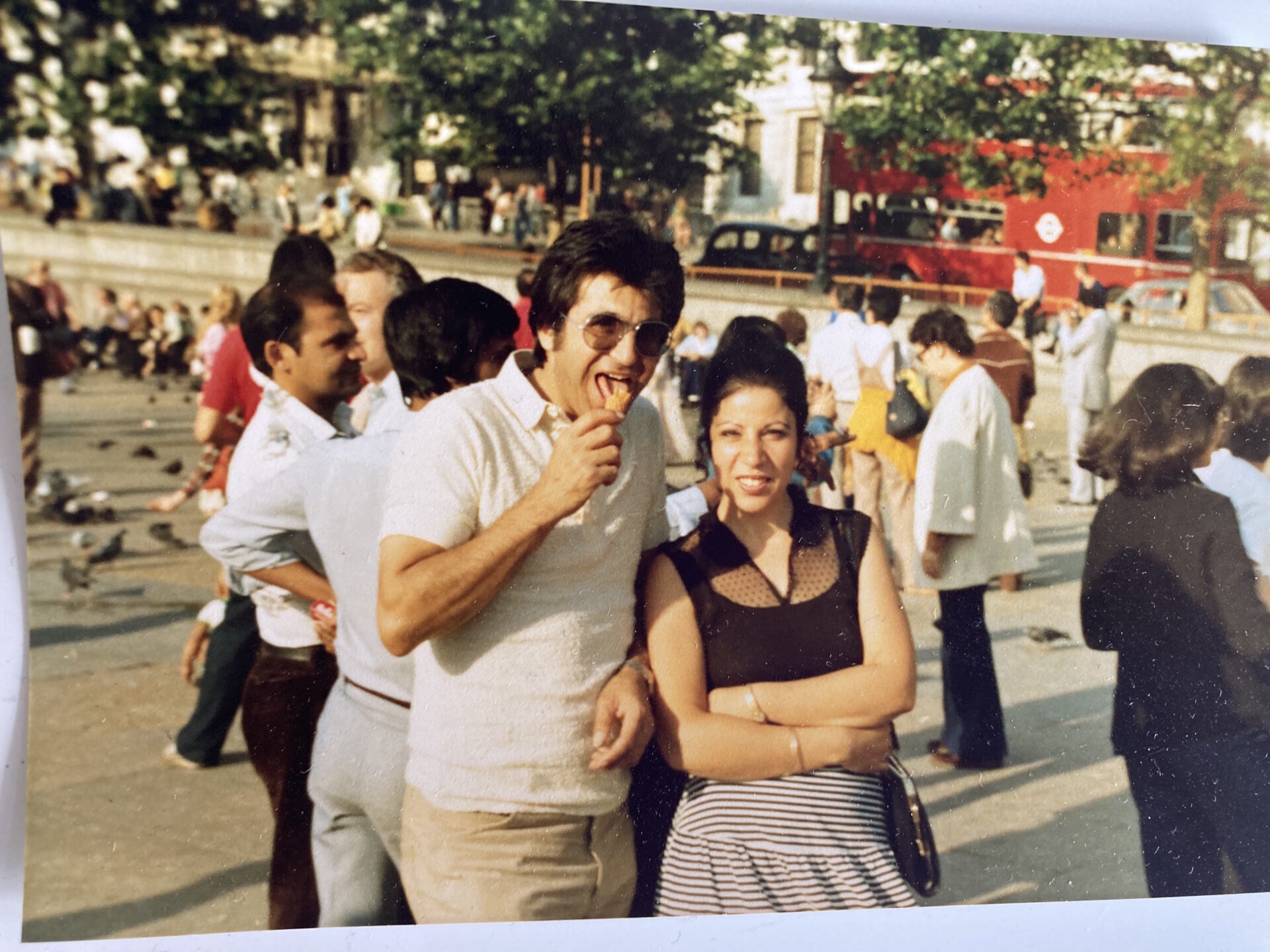
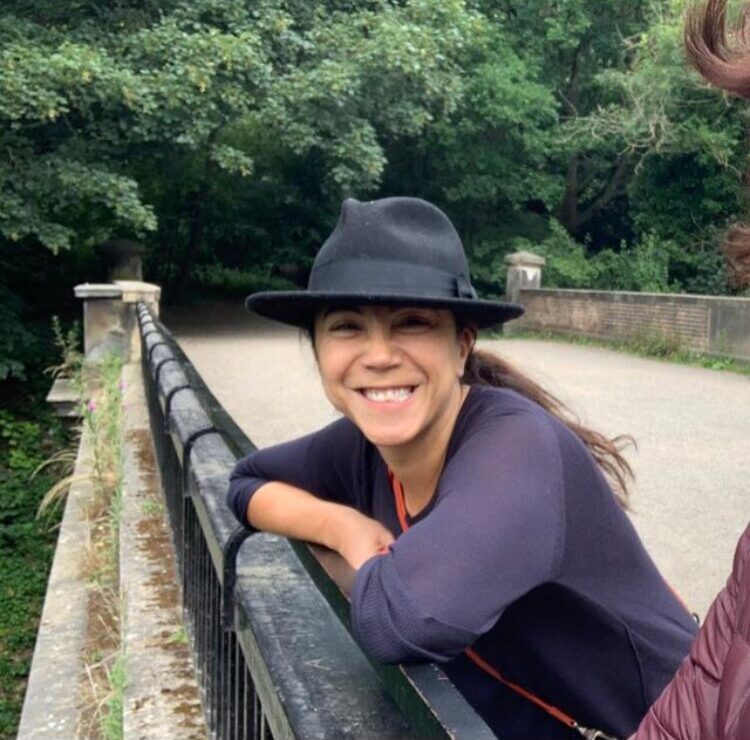
Mum passed just after her 42nd birthday and my 13th. I wasn’t expecting it. She’d had breast cancer two years earlier and got better so I thought she’d get better again. One morning I awoke not wanting to go to school but I had to and by the time dad picked me up she had passed. She’d slipped though my fingers at lunchtime and we hadn’t said goodbye.
Ten years later, just after I finished university, dad also died unexpectedly. He was feeling unwell one afternoon so we went to A&E. A day later he seemed in good spirits chatting to the nurses. A day after that he fell into a coma, then he passed.
They were both abrupt disconnections and neither of my parents were ever spoken of again. Not by friends, nor relatives, nor neighbours, nor at school. After mum’s funeral, it emerged my teachers had told my classmates not to mention her. This was one of London’s top performing girl’s state schools, yet it lacked the female wisdom to acknowledge the passing of a mother. The message was that we don’t talk of the dead, we move forward, and it was so disappointing.
Looking back, not being able to share my experiences or having truly unconditional support, made me hyper-independent and defended with my feelings, and it necessitated periods of isolation until I felt life was waterproof and perfected. Needless to say, that never happened. Everything felt harder and took longer to figure out than for my peers. Throughout everything though, I’ve felt sustained – and the journey since has been a dance back to reconnection in different ways, back to self-expression, and is now about looking at social norms that really shouldn’t be acceptable.
It’s not acceptable to silence or pity child after the loss of their mother because in truth we actually fear it. Its not really that we’re embarrassed and don’t know what to say. It’s that we’re ashamed of our fear because we know how easily it can happen to us.
Nor is it acceptable to mandate that families struggle without a mum alone when there are actually dozens around them in the same boat who they don’t yet know because nobody connects them.
And its not ok to pathologise a young person as ‘affected’, or ‘treat’ them behind closed doors as if diseased, when we don’t recognise our own collective role in shaping how they see themselves after a loss.
These things are not uncommon – they’re fates that befall us all. Around one in 20 young people lose a parent early. Add to that the proportion who experience other early ‘adversities’ or disconnections (divorce, estrangement, addiction, neglect, abuse) then we’re talking almost half!
My mum, Eleni, was beautiful inside and out! She was full of magic and colour, wisdom and integrity. She was playful, mischievous and clever. She was also sensitive and she loved pink roses.. She should not have not been spoken of because she died. Nor my dad Philip who was my strength, and with whom I had so much in common.
I was lucky enough to have had a great beginning in life and couldn’t have asked for better parents.
I don’t believe anymore that we’re all supposed to live until our 80s, else we’ve failed, because we just don’t. One in five of us won’t get there.
If we really confronted our impermanence we’d probably realise how precious life is now and how slim the odds are that in all the 4 billion years of life on Earth we all happen to be here at the same time! That life’s something to celebrate together and its disconnections navigated together.
But we still can’t do that in a society that hides our difficulties behind closed doors and demands our self-reliance.
Things have moved on a little since my time and finally bereavement policies are now mandatory in UK schools. It will be interesting to see how the requirement is implemented. But neither is it enough to just ‘teach’ grief in a curriculum and in an abstract way, without actually bringing those kids together to share and normalise their experience with one another. There will be around 40 in every school.
The greater loss isn’t really the early passing of a parent or any other disconnection. Its the risk of not living fully because we don’t recognise our disconnections openly, because somebody, somewhere decided we’re unlucky and are supposed to hide.